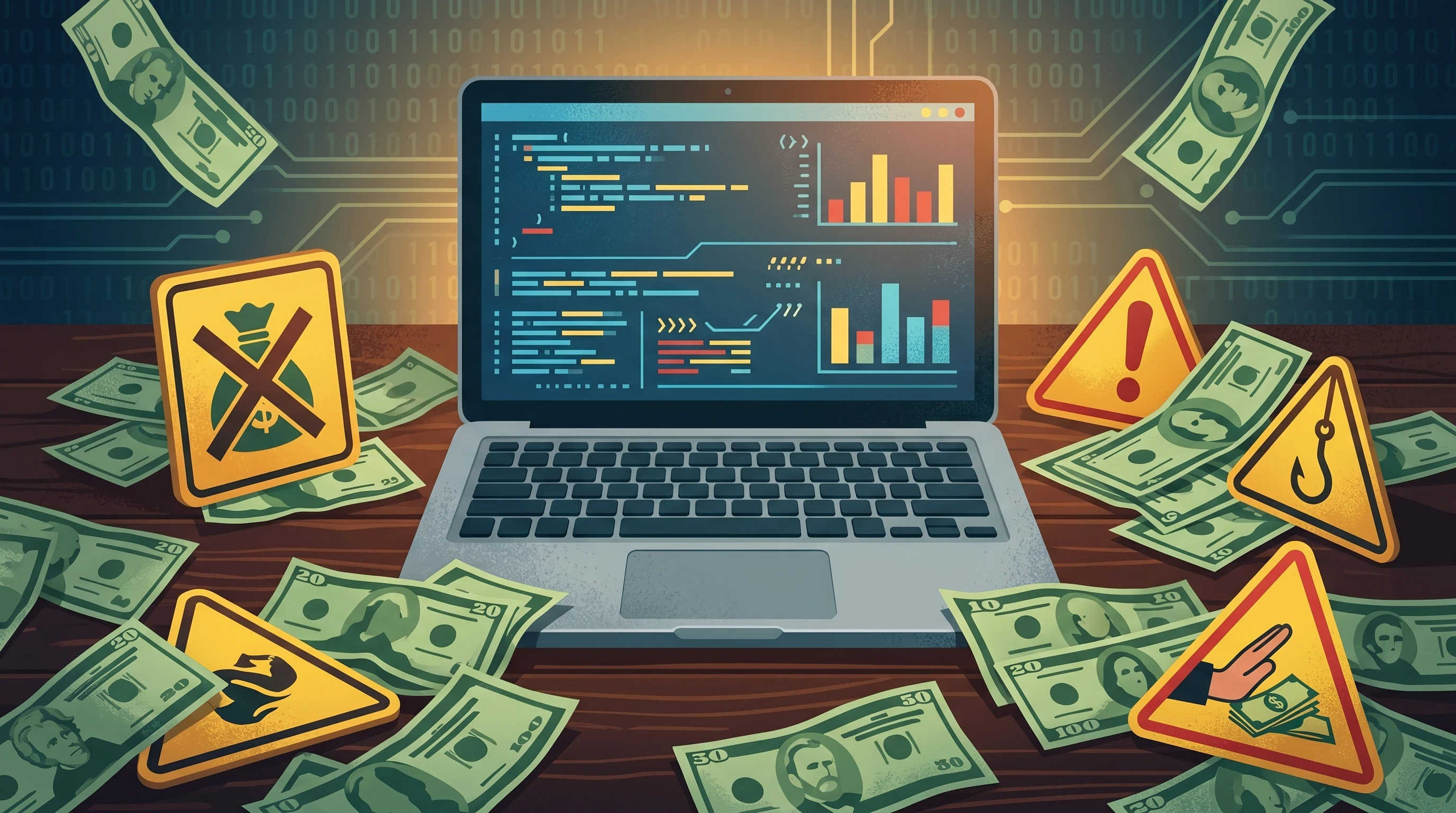
If you’ve ever typed “make money online” into Google, you’ve probably run into a sea of bold promises, flashy ads, and wild claims. It’s not surprising that so many people instantly think that making money online is just a scam. Personally, I’ve been drawn in by both legit opportunities and some that left me feeling ripped off. Sorting out what’s real from what’s bogus can be tricky, and it’s easy to see why skepticism is so common. Here, I’m breaking down why people are suspicious about making money online, why there’s so much confusion, and what you can actually trust if you’re curious about earning on the internet.
Why Does Making Money Online Seem Like a Scam?
The negative reputation around making money online didn’t pop up overnight. I’ve watched it grow side by side with the internet. A few core reasons help explain why so many people jump straight to scam accusations before giving online earnings a fair shot.
- Too-Good-To-Be-True Claims: Exaggerated promises, like “earn $10,000 every month with no experience,” just seem unrealistic. Most people are right to be wary of big claims that sound easy but rarely deliver.
- Hidden Fees and Upfront Payments: If you’ve ever clicked a link promising instant cash, you’ve probably seen a request for a “small sign-up fee” or an “upgrade charge.” When you’re asked to pay before you earn, suspicion goes way up.
- Lack of Transparency: Legitimate businesses usually share clear details about who’s running things and what’s involved. Scammy sites are often full of vague information, fake testimonials, and missing contact info.
- Virus and Malware Risks: Some opportunities do nothing more than try to get you to download harmful software. This makes scamming not just about losing money, but potentially exposing personal data.
Types of Online Money-Making Scams
People see so many scammy options because real scams are everywhere online. Here are a few that show up most often:
- Pyramid Schemes: You’re told you’ll make money by recruiting others, but actual products or services are missing or only secondary. Most people end up losing money.
- Fake Dropshipping Stores: Some training programs promise dropshipping riches but deliver recycled info and no support. Others put out online shops that never send products.
- Survey Scams: Not all survey sites are scams, but plenty lure you in with the idea of fast cash and then pay pennies, or pay nothing at all.
- Work From Home Job Cons: These often involve fake data entry work, fake tech support jobs, or secret shopper gigs where you end up paying or doing free work and get nothing for your effort.
- Phishing and Imposter Sites: Some look like famous brands but are just out to steal your info or trick you into buying fake services.
Why the Real Opportunities Get Lost in the Noise
Scams seriously outnumber trustworthy options in search results and advertising. Online money-making can actually work, but real success is slower, takes actual effort, and usually comes with learning curves. The problem is that honest methods don’t shout as loudly as scams, so some people never hear about the real stuff. They get drowned out, and the loudest voices aren’t always the most trustworthy.
Legit online jobs and businesses exist. There are freelancers, ecommerce sellers, virtual assistants, and content creators earning real income online every day. But these paths don’t skip hard work or guarantee overnight results. That mismatch in expectations is probably the top reason online money-making sounds scammy to newcomers. Those expecting to cash in fast can quickly become disappointed, missing out on the genuine options that need ongoing effort and dedication.
The huge amount of misleading information online only adds to the confusion. Sometimes even reputable platforms can have sketchy offers slip through, making it even trickier to spot honest opportunities.
Common Misunderstandings That Fuel Skepticism
Sometimes, people suspect scams because of confusion and past disappointment, not outright fraud. Here are a few misconceptions that keep skepticism alive:
- Believing All Paid Offers Are Scams: Some legit courses and tools do cost money. The key isn’t whether something asks for cash, but if it offers real value in return and has a money-back guarantee you can rely on.
- Thinking All Results Come Fast: It’s easy to think you’re getting scammed if you put in effort and don’t see instant results. Most real online income streams grow over time—just like traditional careers.
- Assuming Little Effort Means Big Payout: Online or offline, real earning always takes energy, skillbuilding, and consistency. When people stumble upon this after buying into big claims, they might feel fooled even if the program wasn’t a true scam.
- Trusting Only Flashy Websites: The most well-designed website isn’t always the most reliable one. Scammers often make visually nextlevel cool landing pages to win trust, so always look deeper.
Things I Always Check Before Trusting an Online Money-Making Offer
Experience is the best teacher, and I’ve learned to spot red flags fast. Here’s what I look for before taking any online earning opportunity seriously:
- Research the Company or Site: Look up real reviews from places like Trustpilot or Reddit. I prefer independent reviews over the ones found on their own site.
- Look for Transparent Earning Explanations: If it’s all hype and no detail, that’s bad news. Real opportunities will break down how you earn, how you’re paid, and what’s actually involved in clear steps.
- Check Payment Proofs and Payout Terms: While screenshots can be faked, sites with consistent payment proofs, realistic minimum payout thresholds, and lots of user discussion tend to be more trustworthy.
- Clear Contact Information and Customer Support: Scammers rarely offer ways to get in touch. I put more faith in those with an email, phone number, and active support—responsive teams are usually a good sign.
- Verify Policies and Legal Info: Trusted sites have privacy policies, terms of service, and are up front about costs or fees, if there are any. Transparency is vital.
Understanding these signs goes a long way in keeping an eye out for trouble. When I take time to look for them, my confidence in my choices always gets a boost.
What Actually Works for Making Money Online?
With all the skepticism around, it’s refreshing to see that there are legitimate ways to earn income online. People are building real businesses, gaining clients, and covering bills through the internet every day. Some tried and true routes include:
- Freelancing: Offering skills like writing, design, marketing, or coding on platforms such as Upwork or Fiverr. It’s not all glamour, but steady pay can add up over time if you put in real work.
- Print on Demand and Merch Stores: Selling your designs and products through sites like Redbubble, Teespring, or Etsy. Creating eye catching designs can help your products stand out and boost your sales among the competition.
- Content Creation: Running a YouTube channel, podcast, or blog with real audience growth and ad or sponsorship opportunities. It’s slow to start but can pay off if you keep improving your content.
- Remote Jobs: Many real companies hire remote workers for tech, support, and admin roles. Websites such as Remote.co and We Work Remotely are dependable spots to hunt for these positions.
- Affiliate Marketing: Promoting products and earning a commission; just avoid anyone claiming “zero work required.” Genuine affiliate marketers put in the effort to drive traffic and build trust.
The ones that work usually involve a skill or value exchange (you provide something useful, and someone pays for it). They also rely on platforms you’ve heard of or can research, not random sites with no online presence or untraceable backgrounds. Always start with realistic expectations—online money-making is possible, but success stories rarely happen overnight.
Another way to boost reliability is to build up a portfolio or network as you go, so future clients or employers can check out your past work. Reviews and word-of-mouth recommendations often open doors to better gigs and longer-term income.
Dealing with the Fear of Being Scammed
No one likes feeling tricked or losing money to a scam. Protecting yourself comes down to asking questions, reading reviews, and giving yourself time to decide rather than rushing in. Good gut instincts plus research saves a lot of heartache. When something gets hyped on social media or pops up in your spam folder, it’s often smart to pause and ask if it fits the patterns above.
It helps to find online communities or forums where people share honest experiences about what worked (and what flopped). Honest, current reviews can help others avoid traps and give confidence to those considering a real opportunity. Sites like Reddit and wellmoderated Facebook groups are decent places to start. Remember, scammers bank on you acting fast and not checking the details.
Staying sharp and sharing your own encounters can also help others out there who might be unsure which offers are worth trusting. Collective insight can make the online earning adventure a lot safer for everyone involved.
Frequently Asked Questions
Why do so many online money-making offers look sketchy?
Many scammers copy legit sites and flood the internet with high-pressure sales pages. Because it’s so easy and cheap to set up websites, there’s just more room for scammers compared to brick and mortar businesses.
Is it possible to make decent money online without getting scammed?
Yes, but it takes time, effort, and realistic expectations. Sticking to trusted platforms and avoiding upfront costs helps a lot. Building your skills bit by bit and researching before you commit can keep your risk low.
How do I know if a money-making offer is real or a scam?
Check for contact info, user reviews, clear details on how you’ll actually earn, and transparent payment terms. If you only see hype and urgency, steer clear. If you stumble upon guarantees that seem too ironclad, pause and triple check before moving ahead.
The world of online money-making carries lots of pitfalls, but also real opportunity. Separating fact from fiction means being picky, cautious, and remembering that effort and research almost always pay off in the long run. Trust your instincts, check the facts, and you can safely step into some rewarding online gigs.

JR Estrada shares practical tips, tools, and resources to help make building income online simpler and more approachable. Through this website, JR provides helpful content and recommendations, including the Plug-In Profit Site, a system designed to help beginners get started online with a website, step-by-step training, and built-in income streams.
Learn more about getting started with Plug-In Profit Site here.
Thank you for sharing this article. I think a lot of people are skeptical about making money online because there are so many “get rich quick” promises everywhere now.
From what I’ve seen, earning money online is possible, but it usually takes way more time, patience, and consistency than people expect. I also think social media makes it look easier than it really is.
This was a very relatable and honest topic.
I can really relate to this post. I was scammed once because I was so eager to make money online. I jumped into something that promised quick results without doing enough research. It was a hard lesson, but it taught me to slow down and look for transparency and real value before committing.
Now I’m doing affiliate marketing, and while it’s definitely not a “get rich quick” path, it’s been rewarding to build authority in my niche step by step. Your tips about checking reviews, looking for clear explanations of earnings, and avoiding hype are spot on; they’re exactly the kind of reminders I wish I’d had earlier.
In your experience, what’s the most reliable way to tell early on if an online opportunity is worth investing time in, especially when you’re still new and don’t have much experience to compare against?
The sad part is that real online businesses get mixed in with all the fake “get rich quick” stuff. I’ve seen people quit too early because they expected fast money after watching flashy ads on YouTube or TikTok. Affiliate marketing, blogging, and freelancing can work, but most people don’t talk enough about the time and patience it takes. The internet made it way too easy for scammers to look professional, so now people don’t trust anything online anymore. That’s probably the biggest problem.